
I picked up a racquet again this summer, mostly out of boredom, partly out of some vague nostalgia for a game I never actually learned as a kid. What surprised me wasn’t the sport itself. It was the unexpected barriers standing between me and court time with friends.
I want to be upfront about something: I am not writing this from the outside looking in. I am a light-brown woman in Canada with a degree, a stable income, and a downtown postal code, and every single one of those things made this hobby easy for me in ways I almost didn’t notice. And that caught me by surprise. Privilege rarely announces itself. It just quietly removes obstacles before you even register they exist. I’ve even read a saying in this past month, that privilege is undetectable to those benefiting from it. I don’t think my white friends will ever have to write a post like this.
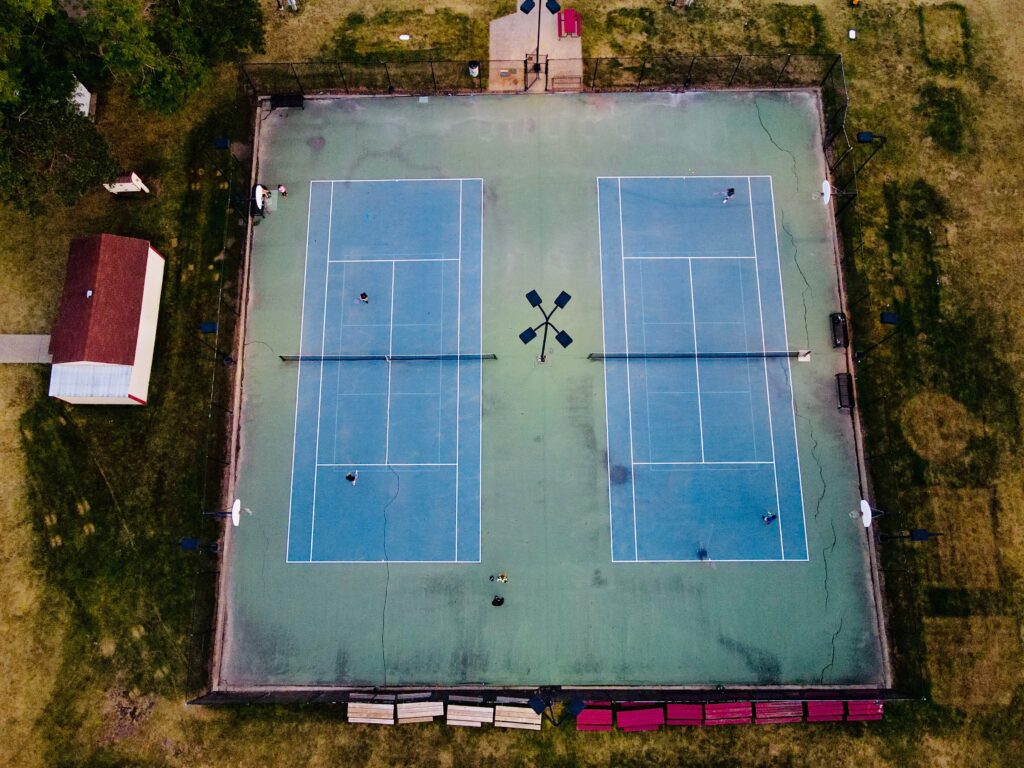
Start with the obvious one: money. A decent racquet, court fees, lessons if you want them, new-enough shoes so your knees survive all the stopping/starting, all of it adds up before you’ve hit a single ball. But the less obvious barrier, the one that actually stopped me in my tracks, was time. Public courts in most Canadian cities book up within minutes of opening, and increasingly that booking happens through an app. You need a smartphone, a reliable connection, comfort navigating whatever tennis court booking software your city has contracted out to a private vendor, and the free hour (more like three!) during the day to actually sit there refreshing the page. My mother, who worked two jobs for a decade after we arrived here, would not have had that hour. She wouldn’t have had the leisure to learn an unfamiliar interface for a game that, to her, would have seemed almost absurdly beside the point. And besides she would always says that ya’ll aren’t getting rich off playing, academics was always more important.
This is what I mean when I say the mosaic has cracks. Tennis gets marketed as a lifetime sport, good for the body, good for the mind, a game you can play well into old age. All true. What goes unsaid is that the sport was built, quite literally, behind private club fences, and even now that municipal courts exist as a public good, access to them still runs through layers that assume a particular kind of life. Stable hours. Digital fluency. Expendable income. English comfort enough to navigate a registration portal without friction. A body that hasn’t been worn down by physical labour. None of these are neutral defaults. They are the residue of who got to rest, and who didn’t.
I don’t say any of this to make anyone feel guilty for enjoying a sport. I say it because naming the systematized-scaffolding that prevents the global majority from enjoying this sport is the only way to see it clearly. When I book my court now, I try to hold both truths at once: gratitude for the time on the court, and awareness that time itself is never distributed evenly. That awareness doesn’t fix anything on its own. But it does help myself to re-center on what’s important. High enough income for all, rest days for everyone, and access to sport regarding colour or postal code.